
Saltwater vs. Chlorine: Choosing Your Ideal Pool System
Saltwater or Chlorine? Here’s What Most Homeowners Get Wrong
You’re ready to build a pool. The design is exciting. The features are coming together. Then someone asks the question that stops everything:
Saltwater or chlorine?
Suddenly, you’re comparing charts, reading conflicting opinions, and wondering which system will cost less, feel better, and require less work long term.
If you’re investing in a custom pool and want it done right the first time, this decision matters. Whether you’re still in the early planning stages or already exploring residential inground pools, understanding your sanitation system is critical.
Let’s break down saltwater pool vs chlorine pool pros and cons, real costs, maintenance differences, and what actually makes sense for your lifestyle.
What We’ll Cover:
- The real difference between saltwater and chlorine systems
- Saltwater pool vs chlorine pool pros and cons
- Saltwater pool cost vs chlorine over time
- Maintenance and equipment differences
- Who should choose saltwater, and who should stick with chlorine
- Frequently asked questions homeowners ask before deciding
Saltwater vs Chlorine: What’s the Real Difference?
Let’s clear up the biggest myth first.
A saltwater pool is still a chlorine pool.
The difference lies in how chlorine enters the water.
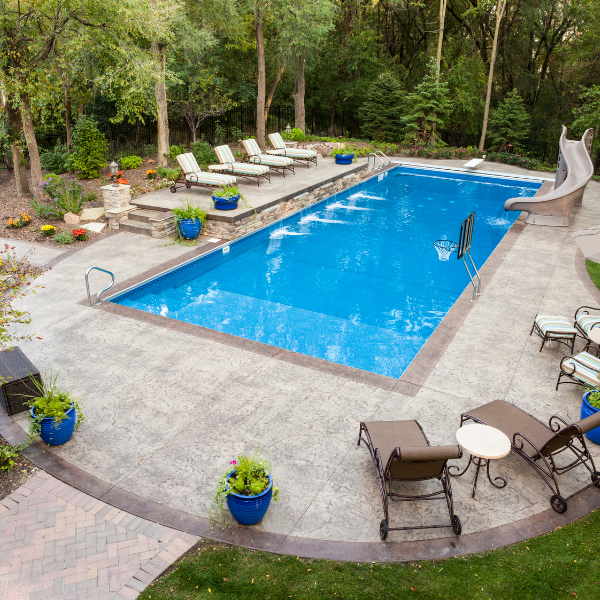
Traditional Chlorine Pool
With a chlorine pool, you manually add chlorine through:
- Liquid chlorine
- Tablets
- Granular shock treatments
You test the water regularly and adjust levels as needed. Many homeowners rely on professional water analysis to keep levels balanced and safe.
Saltwater Pool
A saltwater pool uses a salt chlorine generator. You add salt to the water, and the generator converts it into chlorine automatically through electrolysis.
If you want a deeper breakdown of how salt systems compare to traditional chlorine, this guide on filtration, chlorine vs salt, explains the science clearly.
What this really means is:
- Both systems sanitize with chlorine
- Saltwater systems automate chlorine production
- Water chemistry principles are still the same
The experience, however, can feel very different.
Saltwater Pool vs Chlorine Pool Pros and Cons
Here’s where homeowners start weighing tradeoffs. Let’s break it down clearly.
Benefits of a Saltwater Pool
Many people choose saltwater because of how the water feels.
✔️ Softer water feel
✔️ Less harsh smell
✔️ Fewer red eyes and skin irritation
✔️ More consistent chlorine levels
✔️ Less day-to-day chemical handling
Because chlorine is produced steadily instead of dumped in batches, the water balance tends to stay more stable.
Families with kids or sensitive skin often prefer this experience.
Saltwater Pool Drawbacks
It is not perfect.
✘ Higher upfront equipment cost
✘ Salt cell replacement every 3 to 7 years
✘ Potential for corrosion if not managed properly
✘ More complex electronics
Salt systems require proper design and compatible materials. Without that, corrosion can become an issue on metal fixtures or surrounding surfaces.
Traditional Chlorine Pool Benefits
Chlorine systems are simple and proven.
✔️ Lower initial cost
✔️ Straightforward equipment
✔️ Easy to troubleshoot
✔️ Works well in any climate
If you prefer control and don’t mind testing water weekly, this setup is reliable and predictable.
Chlorine Pool Drawbacks
✘ Stronger chemical odor
✘ More noticeable chlorine spikes
✘ More hands-on chemical management
✘ Greater risk of imbalance if neglected
The pros and cons come down to lifestyle more than chemistry.
Saltwater Pool Cost vs Chlorine: Upfront and Long Term
Let’s talk numbers in realistic terms.
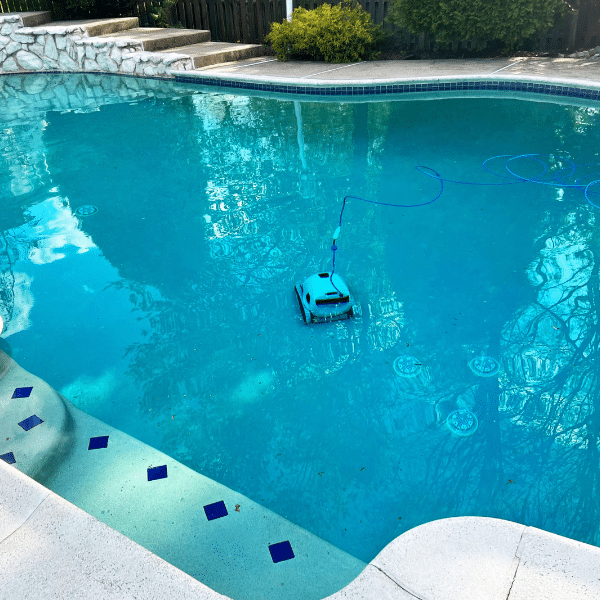
Initial Installation Cost
Saltwater pools typically cost more upfront because of:
- Salt chlorine generator
- Control panel integration
- Additional setup labor
If you are still evaluating your total project budget, this guide on the cost of installing an in–ground pool breaks down the bigger financial picture.
Most homeowners can expect to pay several thousand dollars more initially than with a traditional chlorine setup.
Chlorine systems require:
- Basic feeder or manual dosing
- Standard pump and filter system
Lower starting cost.
Ongoing Maintenance Costs
This is where things level out.
Saltwater system costs include:
- Salt cell replacement every few years
- Occasional acid cleaning of the cell
- Electricity to run the generator
Chlorine pool costs include:
- Regular purchase of chlorine
- Stabilizer and balancing chemicals
- Shock treatments
According to industry averages, long-term chemical costs are similar over a 7- to 10-year period. For a broader view of ownership expenses, this overview of the financial costs of owning a swimming pool offers a helpful perspective.
The key difference is where the money goes:
- Saltwater spreads cost into the equipment
- Chlorine spreads costs into consumable chemicals
If you prefer fewer weekly purchases, saltwater feels easier. If you want a lower upfront investment, chlorine wins early.
Maintenance: Which System Is Easier to Live With?
Here’s the honest answer.
Both require attention.
Saltwater is often described as lower maintenance. What that really means is less frequent chlorine handling, not no maintenance.
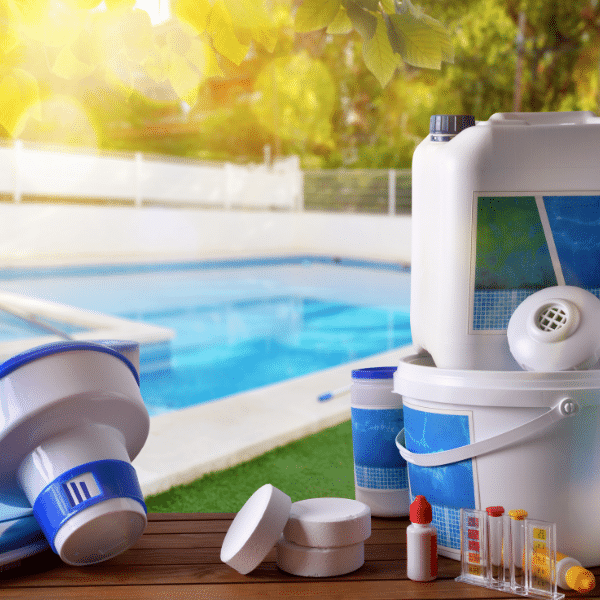
Saltwater Maintenance Includes
- Monitoring salt levels
- Inspecting and cleaning the salt cell
- Checking pH regularly
- Seasonal water testing
Salt systems can cause pH to rise faster, so acid adjustments are common. Learning how to handle testing and adjusting pH levels is essential regardless of the system.
Chlorine Maintenance Includes
- Testing chlorine levels weekly
- Adding tablets or liquid
- Shocking as needed
- Balancing pH and alkalinity
If you want a realistic expectation of upkeep, this breakdown of how often a pool should be serviced helps set the standard.
The difference is automation versus manual control.
If you travel often or prefer fewer weekly adjustments, saltwater offers greater consistency.
If you enjoy hands-on control and want simple mechanical systems, chlorine is dependable.
Water Feel and Swimming Experience
This is where most decisions are made.
Saltwater pools have a low salt concentration, typically about one-tenth the salinity of ocean water.
The result:
- Silky feel
- Less drying on the skin
- Softer hair after swimming
- Reduced chemical smell
Chlorine pools feel more traditional. Some swimmers do not notice much difference, especially when properly balanced. If eye irritation has ever been an issue, this guide on why eyes burn in a swimming pool explains what is really happening chemically.
What matters most is maintenance quality. A poorly maintained saltwater pool will feel worse than a well-maintained chlorine pool.
System choice does not replace proper care.
Equipment Lifespan and Durability
Durability matters when you are investing in a long-term backyard feature.
Saltwater systems require corrosion-resistant materials. That includes:
- Stainless steel hardware
- Compatible heaters
- Quality pumps and seals
Understanding your full equipment setup matters. This pool equipment guide walks through the core components every pool owner should know.
Chlorine pools place less stress on metal components but still require correct chemistry to prevent scaling and damage.
In either case, correct design and ongoing water balance protect your investment.
Who Should Choose a Saltwater Pool?
Saltwater makes sense if:
✔️ You want softer feeling water
✔️ You prefer automation over manual dosing
✔️ You want fewer chemical odors
✔️ You plan to swim frequently
Families who use their pool daily often appreciate the consistent chlorine levels and comfort.
Who Should Choose a Chlorine Pool?
Chlorine may be ideal if:
✔️ You want lower upfront cost
✔️ You prefer simple systems
✔️ You do not mind weekly water testing
✔️ You want easier equipment repairs
Some homeowners simply prefer the straightforward nature of traditional systems.
There is nothing outdated about chlorine. It remains effective, safe, and widely used.
Real World Perspective From Pool Builders
At Intermountain Aquatech Pools and Spas, we design both systems regularly. The right answer depends on how you plan to use your pool and how involved you want to be in maintenance.
We walk homeowners through:
- Usage frequency
- Sensitivity concerns
- Long-term maintenance expectations
- Equipment compatibility
Industry sources, such as the CDC, confirm that properly maintained chlorine levels keep pool water safe. The delivery method matters less than a consistent balance.
Experience tells us the same thing.
Ready to Choose the Right System?
If you are designing a custom pool, this decision should be part of the planning process, not an afterthought.
A quick consultation can clarify:
- Cost differences for your specific build
- Equipment compatibility
- Long term maintenance expectations
- What fits your lifestyle
Explore our full range of pool options or schedule a free design consultation to get clear answers tailored to your project.
Frequently Asked Questions
Which system is safer?
Both are safe when properly maintained. The key is consistent chlorine levels and balanced chemistry.
Does a saltwater pool taste salty?
Barely. The salt level is much lower than that of ocean water. Most swimmers describe it as smooth rather than salty.
Are saltwater pools more expensive to maintain?
Not necessarily. They cost more upfront but can balance out over time. The difference is where the expense occurs.
Does salt damage pool equipment?
It can if the equipment is not designed for salt systems or if water chemistry is neglected. Proper materials and maintenance prevent issues.
Can I convert a chlorine pool to saltwater later?
Yes. Many pools can be converted by adding a salt chlorine generator and adjusting equipment compatibility.
Make the Smart Choice for Your Backyard Investment
Saltwater vs chlorine is not about right or wrong. It is about fit.
Saltwater offers comfort and automation. Chlorine offers simplicity and a lower initial cost. Both can deliver crystal-clear water when properly designed and maintained.
The real win comes from choosing a system that aligns with how you live.
If you are planning a new pool or upgrading your current setup, start with a conversation. The right guidance now prevents costly changes later.

- The Ultimate Guide to Hot Tub Accessories for Enhanced Relaxation in Utah - March 27, 2026
- Saltwater vs. Chlorine: Choosing Your Ideal Pool System - February 18, 2026
- 5 Things To Know Before Building A Custom Hot Tub - December 16, 2025